How many boxes of flooring will you need?
There’s a special kind of frustration in discovering you’re one box short after spending a weekend installing flooring. And overbuying gets expensive, too.
Measure the rooms, add a realistic allowance for cuts and mistakes, then tell me how much floor is in a box. We’ll turn that into a simple shopping list.
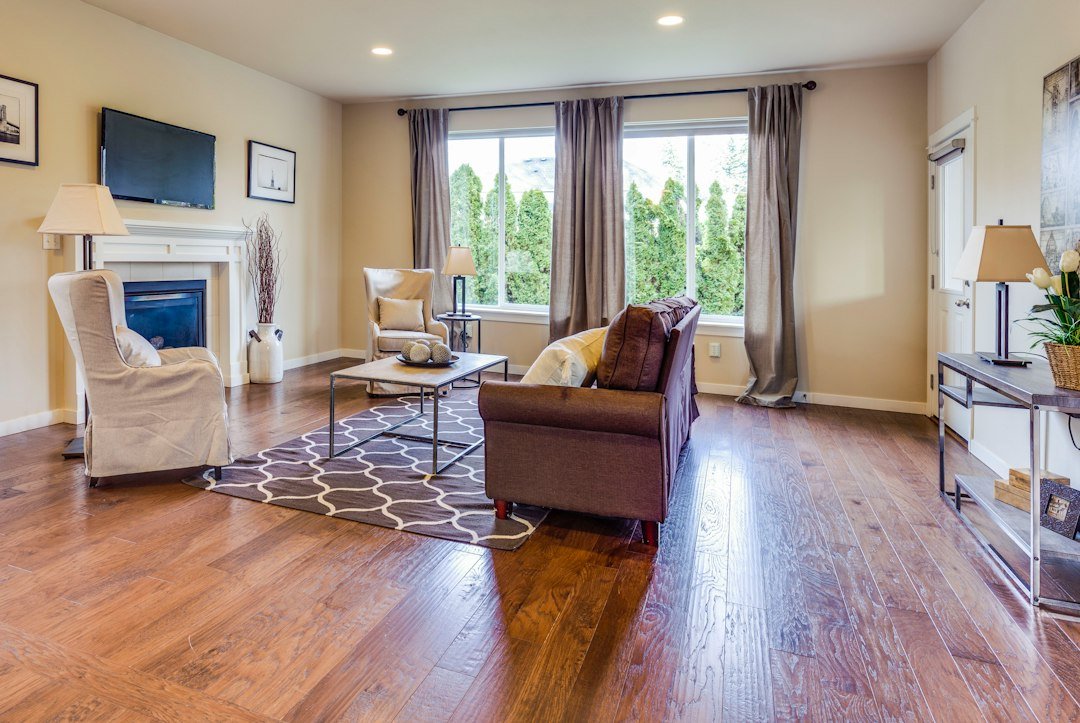
Let’s measure your project
Have an L-shaped room? Split it into rectangles that don’t overlap, and put each one below. Include a hallway or closet if you’re flooring that too.
Why we don’t just buy the exact square footage
You cut pieces around doorways, trim boards at the end of a row, sometimes discard a chipped piece, and occasionally make a mistake. Even a simple rectangular room usually needs extra flooring.
Lowe’s recommends allowing around 10% extra when estimating floor area. Home Depot’s vinyl plank guidance suggests about 10%–20%, depending on the job. The pattern choices in this calculator start at 10% for straight rows, 15% for diagonal work and 20% for complicated patterns. Those are adjustable planning assumptions, not fixed installation rules. Check the actual manufacturer’s instructions. Lowe’s guide and Home Depot’s vinyl plank guide explain the basic measuring process.
The box number is more useful than the square-foot number
Suppose a room measures 12 by 11 feet. That’s 132 square feet. With 10% added, you need 145.2 square feet of material. If the exact flooring product covers 20 square feet per box, that’s 7.26 boxes, so you need eight complete boxes before any deliberate repair spare.
Be careful with look-alike products: different plank sizes and brands can cover different areas per carton. Always type the number printed on your product box. Buying one extra sealed carton from the same production lot can make future repairs easier, although extra stock is another expense and might never be used.
What else belongs on the shopping list?
Flooring isn’t always the only material. Depending on the installation, you may need a compatible underlayment or moisture barrier, a tapping block, pull bar, spacers, a suitable cutting tool, transition pieces and trim. Some flooring has an attached pad, so adding a second underlayment may be prohibited or may compromise the warranty.
Check door clearance, transitions between surfaces, stairs, moisture and subfloor flatness before purchasing. For old flooring that might contain asbestos or other hazardous material, use qualified assessment rather than sanding or disturbing it. Electric cutting tools and dusty work require manufacturer instructions and suitable protection.
Tools to make installation a little easier
Already chosen the floor itself? Installation kits and spacers may be worth comparing. These Amazon links are category searches, not claims about product compatibility.
Browse flooring installation kits #ad
Compare underlayment options on Amazon #ad
As an Amazon Associate I earn from qualifying purchases. Only buy underlayment that the exact flooring manufacturer approves. This calculator doesn’t show current Amazon item prices.